
NAD+ Injections: An Evidence-Aware Guide
General information about NAD+, the limits of current research, and questions to discuss with a licensed clinician.
What is NAD+?
NAD+ (nicotinamide adenine dinucleotide) is a coenzyme involved in many cellular processes. The U.S. National Institutes of Health notes that niacin can be converted into NAD and that NAD participates in metabolic reactions and other cellular functions.
That biological role does not, by itself, establish that an NAD+ product improves a particular symptom, condition, or outcome. Clinical questions require evidence specific to the product, route of administration, population, and outcome being discussed.
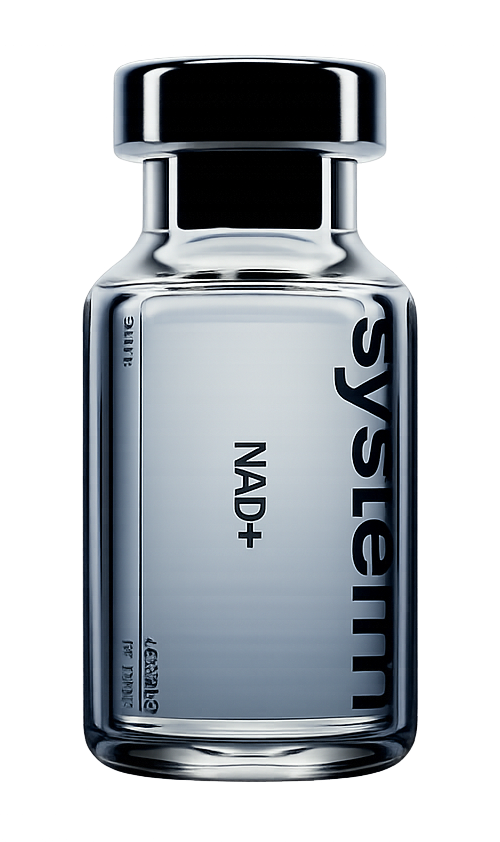
System Labs NAD+ Injections
Clinical-grade NAD+ reviewed by a licensed clinician and sourced from regulated U.S. pharmacies — no clinic visits or IV lounge pricing. Structured dosing with ongoing provider support and free 2-day shipping.
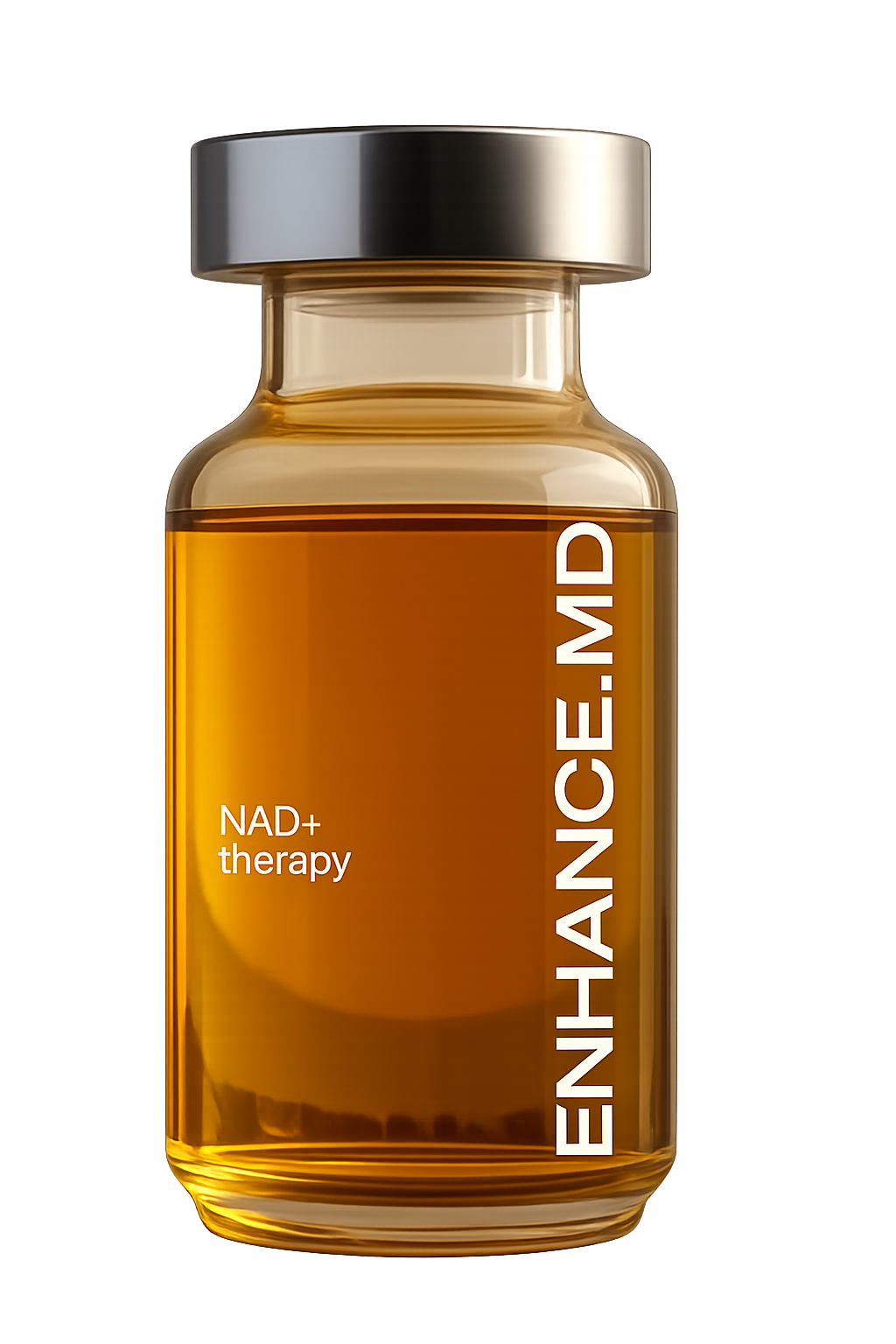
EnhanceMD NAD+ Injections
Pharmaceutical-grade NAD+ delivered via subcutaneous injection for maximum bioavailability and rapid cellular energy support. Includes ongoing provider access and ships direct with full onboarding support.
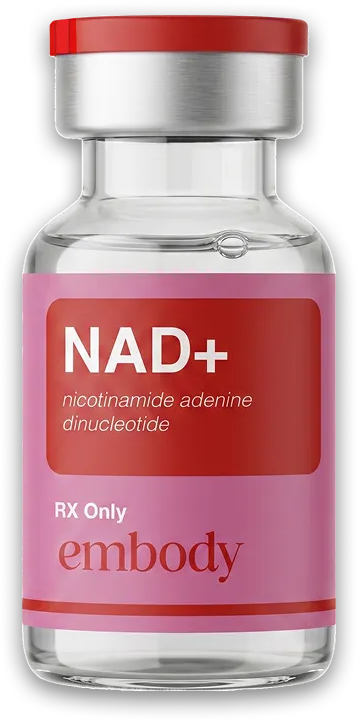
Embody NAD+ Injections
Physician-reviewed NAD+ injections sourced from a US-certified pharmacy, formulated for fast-acting energy and mental clarity support. Includes 1:1 medical guidance and free 2-day delivery.
What the evidence can and cannot tell us
Published human research involving NAD-related interventions includes different formulations and routes of administration. Findings from oral precursors or intravenous research cannot be assumed to apply to a different product or to at-home injections.
Evidence specific to standardized, subcutaneous NAD+ injection protocols remains limited. This site does not present NAD+ injections as a proven treatment for fatigue, cognitive concerns, weight change, aging, or any medical condition.
Prescription and compounding context
Some products discussed online may be compounded. Compounded drugs are not FDA-approved, which means FDA does not review them for safety, effectiveness, or quality before marketing. A clinician and pharmacist are the appropriate sources for individualized questions about a prescribed product.
Questions to bring to a clinician
- What is the intended purpose of this specific product?
- What evidence is relevant to my health history and medications?
- What are the known risks, uncertainties, alternatives, and warning signs?
- Who dispenses the product, and what information is available about it?